Author: Theres Jung

  • Lucht Probst Associates (LPA) und die Framesoft AG schließen strategische Partnerschaft

    Lucht Probst Associates (LPA) und die Framesoft AG schließen strategische Partnerschaft

    Frankfurt, 15.07.2024 – Lucht Probst Associates (LPA), der führende RegTech- und CapTech-Anbieter in Europa, erweitert durch die strategische Partnerschaft sein aktuelles Leistungsspektrum, um die umfangreiche Contract Management Lösungssuite der Framesoft AG Software Applications. Durch die Kooperation sollen die Reichweite und der Vertrieb der innovativen Vertragsmanagement-Lösung nachhaltig erhöht und bestehende Kunden weltweit noch bedarfsgerechter bedient werden.

    Framesoft bietet mit dem Framesoft Contract Management (FCM) eine umfassende Lösungssuite zur Optimierung des gesamten Vertragslebenszyklus. FCM unterstützt sämtliche Phasen eines Vertrags – von der Erstellung über die Verwaltung bis hin zur Analyse und Archivierung.

    1. Vertragserstellung
      FCM ermöglicht die flexible Anlage aller Vertragstypen und -inhalte. Das System nutzt ein umfassenden Vertrags-Repository, eine Workflow Engine sowie automatisierte Dokumentengenerierung & Zustellung basierend auf einer globalen Vorlagenbibliothek.
    2. Vertragsverhandlung
      Die „Online“ Verhandlung von Verträgen wird durch integrierte Kommunikations- und Kollaborationswerkzeuge vereinfacht. Diese Tools stellen sicher, dass alle Parteien stets auf dem neuesten Stand sind und effizient zusammenarbeiten.
    3. Vertragsverwaltung
      FCM bietet einen umfassenden Überblick über alle Verträge, Fristen und Meilensteine. Die integrierte Workflow-Engine sorgt für die nahtlose Verwaltung und Automatisierung von Prozessen.
    4. Event & Lifecycle Management
      Das Event & Lifecycle Management Module gewährleistet eine durchgängige Überwachung und Verwaltung aller Vertragsereignisse und -phasen. Die Netting Engine optimiert Vertragsbeziehungen und reduziert finanzieller Risiken.
    5. Vertragsanalyse
      Durch eine AI-basierte Dokumentenanalyse werden erhaltene Verträge digitalisiert, analysiert und Datenpunkte extrahiert sowie in Echtzeit ausgewertet. Diese Ergebnisse können mit bereits gespeicherten Verträgen in FCM verglichen werden.
    6. Archivierung und Compliance
      Nach Vertragsabschluss und -erfüllung unterstützt FCM eine sichere und rechtskonforme Archivierung aller Vertragsdokumente. Durch die Einhaltung aller gesetzlichen und regulatorischen Vorgaben wird das Risiko von Compliance-Verstößen erheblich reduziert.


      Zukunftssicher und anpassungsfähig
      Der Einsatz von FCM führt zu signifikanten Effizienzsteigerungen und einer spürbaren Reduzierung administrativer Aufwände. Regelmäßige Aktualisierungen und Erweiterungen gewährleisten, dass die Lösung stets auf dem neuesten Stand der Technik bleibt und sich flexibel an neue rechtliche und regulatorische Änderungen anpassen lässt.

    Stefan Lucht, Gründer und Co-CEO von LPA sieht in der strategischen Partnerschaft viel Potential für das gesamte Netzwerk:
    „Das Lösungsangebot von LPA fokussiert sich seit jeher auf die Automatisierung von Prozessen in der Erstellung und dem Vertrieb strukturierter Derivate sowie der Abwicklung interner und externer Prozesse und der Zurverfügungstellung juristischer und regulatorischer Dokumente. Unsere Kunden und Gesprächspartner sehen spätestens seit der steigenden Relevanz von Künstlicher Intelligenz große Effizienzgewinne im Bereich des Contract-Lifecycle-Managements – diese Lücke schließen wir durch die Partnerschaft mit Framesoft und unterstützen hier ab sofort aktiv im Vertrieb und der Neukundengewinnung.“

    Jens Saarholz, Mitglied der Geschäftsleitung von Framesoft AG, ergänzt:
    „Im Austausch mit LPA konnten wir feststellen, dass sich unser Leistungsspektrum vielmehr komplementär ergänzt, als dass es in Konkurrenz zueinandersteht. Ziel der Kooperation ist es, den Bekanntheitsgrad unserer Software durch die Größe und das globale Netzwerk von LPA weiter auszubauen und gemeinsam neue Märkte zu erschließen.“

    Über Lucht Probst Associates (LPA):
    Seit der Gründung im Jahr 1999 und insbesondere mit der Einführung der PRIIPs Regulierung hat sich LPA zum führenden Anbieter für die Automatisierung regulatorischer und juristischer Dokumentationen für den Vertrieb von strukturierten Derivaten und Fonds entwickelt und stellt unterschiedliche Technologien für Finanzmarktakteure in den Bereichen Sales, Structuring, Trading und (regulatory) Reporting bereit. Die eigens entwickelten, skalierbaren Software-as-a-Service (SaaS)-Lösungen werden heute weltweit von über 200 Kunden aus der Banken- und Asset Management-Branche genutzt und helfen dabei, Vertriebsvolumina zu steigern, Kosten zu senken und die Einhaltung interner sowie externer regulatorischer Standards sicherzustellen.
    Die hochmoderne Software-Suite Capmatix, das Aushängeprodukt von LPA, ist spezialisiert auf Dokumentenerstellung, Workflow-Automatisierung und Financial Engineering. Zur Zeit erhalten LPA-Kunden Dokumente in 25 Sprachen und verschiedenen Formaten und distribuieren strukturierte Wertpapiere in über 40 Ländern an institutionelle und Retail-Kunden.
    Neben der Automatisierung der Emission von strukturierten Investmentprodukten entwickelt und verwaltet LPA auch eine SaaS-Plattform zur Erstellung regulatorischer Berichte und Dokumente für Asset Manager und Fondsadministratoren. Weiterhin verfügt das Unternehmen über eine 25-jährige Erfolgsbilanz in der Automatisierung von Vertriebs- und Cross-Asset-Strukturierungsprozessen für Corporate Treasury Sales Desks. Heute unterstützt das Team von LPA, bestehend aus rund 350 Fachleuten, Kunden und Partner von 10 internationalen Standorten aus.

    Über Framesoft AG Software Application:
    Framesoft ist ein führender Anbieter von innovativen Softwarelösungen für den Finanzdienstleistungssektor. Mit zielgerichteten Lösungen unterstützt Framesoft Unternehmen in der Optimierung und Automatisierung ihrer Abläufe und damit in der Steigerung ihrer Effizienz und Wettbewerbungsfähigkeit.

    Mission
    Die Bereitstellung von innovativen Lösungen in einem sich ständig ändernden Umfeld der Finanzindustrie. Framesoft versteht die Komplexitäten und Herausforderungen, denen Finanzinstitute gegenüberstehen und bietet hierfür maßgeschneiderte Lösungen an.

    Lösungen
    – Geschäftsprozessmanagement
    – Vertragsmanagement & Online-Verhandlungen
    – Netting
    – Dokumentengenerierung & Distribution
    – Dokumenten Management
    – Datenanalyse & Reporting

    Die Lösungen sind darauf ausgelegt, Arbeitsabläufe zu optimieren, die Produktivität zu steigern und sicherzustellen, dass alle regulatorischen Anforderungen erfüllt werden.

    Philosophie
    Framesoft ist der festen Überzeugung, dass Technologie als Katalysator für Wachstum und Transformation dienen sollte. Die hauseigenen Software-Lösungen basieren auf einem robusten „Framework“, welches eine schnelle Anwendungsentwicklung ermöglicht. So kann Framesoft schnell auf sich ändernde Marktdynamiken und Bedürfnisse der Kunden reagieren.

    Team
    Das Team besteht aus erfahrenen Fachleuten mit einer nachgewiesenen Erfolgsbilanz. Durch kontinuierliche Innovation und das Streben nach Exzellenz steht Framesoft an der Spitze der technologischen Entwicklung in der Finanzdienstleistungsbranche.

    Engagement
    Als vertrauenswürdiger Partner führender globaler Finanzinstitute legt Framesoft großen Wert auf erstklassigen Kundensupport und Service. Das Engagement für Integrität, Qualität und langfristige Beziehungen ist die Grundlage allen Handelns. Das Framesoft Team ist stolz darauf, gemeinsam mit den meist langjährigen Kunden nachhaltigen Erfolg zu erzielen.

    Kontakt:

    Lucht Probst Associates GmbH
    Website: https://tier3-bnz3dha.jg.elsterkind-dev.de/
    Telefon: +49 69 99714850
    E-Mail: hello@l-p-a.com

    Framesoft AG
    Website: https://www.framesoft.com/
    Telefon: +41 41 545 37 72
    E-Mail: contact@framesoft.com

  • LPA and DB Power announce strategic partnership to globally expand solutions for issuers of structured retail products

    LPA and DB Power announce strategic partnership to globally expand solutions for issuers of structured retail products

    Lucht Probst Associates (LPA), the leading RegTech and CapTech provider in Europe, announces a strategic partnership with DB Power Online Limited (DB Power), a pioneer in customized FinTech solutions and online platforms in Asia.

    Frankfurt / Main, June 27th 2024 – By cooperating with DB Power, LPA will further expand its current presence in the APAC region. Most importantly, LPA will be able to offer its existing customers in the European core markets DACH, Scandinavia, France, Italy and Iberia an even more comprehensive offering. DB Power will leverage LPA’s distribution strength and network in Europe to drive its global expansion strategy. Thanks to the modern technological equipment of oth platforms, local specialties as well as a multitude of languages, product universes and interactive formats can be mapped.

    Stefan Lucht, Founder and Co-CEO of LPA, and Nick Yuen, Founder and Managing Director of DB Power, initiated this strategic alliance with a clear objective:

    “Our partnership is designed to tackle the regulatory and technological hurdles encountered by financial institutions, especially those issuing structured securities on a global scale. We aim to enhance efficiency and adherence to regulations within the sector, while also unlocking further growth and sales opportunities for banks.”

    The active partnership enriches the range of services offered by both companies: LPA and DB Power significantly increase the added value for customers by combining a seamless digital issuance process with customized marketing and sales websites. The joint service offering can be seamlessly integrated into an issuer’s existing infrastructure and thus offers users the opportunity to use this innovative combination of solutions in a targeted manner in the traditional core market or in new regions in which the issuing and distribution process for structured products is to be expanded.
    Together, LPA and DB Power aim to develop additional markets and deepen their market presence with existing customers of both companies.

    About Lucht Probst Associates (LPA)

    For a quarter of a century, LPA has been developing technology for the financial markets to automate regulatory requirements in the international capital markets (RegTech and CapTech). The scalable Software-as-a-Service (SaaS) solutions span the entire value chain of various capital markets activities and are now used by over 200 clients in the banking and asset management industry across the globe. LPA’s mission is to increase distribution and issuance volumes, reduce costs and ensure compliance with internal and external regulatory standards. From strategic planning to the implementation and operation of standardized “plug and play” services as well as fully customized software solutions, LPA offers comprehensive support to various players in the financial market.

    Capmatix, LPA’s flagship product, is a state-of-the-art software suite specializing in document generation, workflow automation and financial engineering. Capmatix optimizes the issuance process for a variety of cross-asset structured products (retail or investment products including various underlyings such as equity, fixed income, credit and crypto, as well as OTC derivatives for corporate treasury customers).
    With the advent of PRIIP’s regulation, LPA has become the leading provider of regulatory and legal documentation in Europe by extensively leveraging and expanding its specialized knowledge of financial market regulations such as PRIIPs/MiFID and expertise in the automation of e.g. Final Terms, Term Sheets, Prospectuses and more. LPA clients currently receive documents in 25 languages and various formats and distribute structured securities with Capmatix in over 40 countries.

    In addition to automating the issuance of structured investment products, LPA also develops and manages a SaaS platform to produce regulatory reports and documents for asset managers and fund administrators. The company also has a 25-year track record in automating sales and cross-asset structuring processes for corporate treasury sales desks. Today, LPA’s team of around 350 professionals supports clients and partners from 10 international locations.

    About DB Power Online Limited (DB Power)

    DB Power, established in 1999, was one of the first companies to offer online platforms and marketing/sales websites, providing financial data and market prices to end clients and partners for the distribution of structured securities.
    DB Power serves global and local structured securities issuers in Hong Kong and other regions in APAC with distribution websites and market analysis, providing product details, research and tradable prices on the Hong Kong Stock Exchange (HKEX) to retail clients, brokers and sales agents. DB Power’s clients include renowned firms such as UBS, J.P. Morgan and BNP Paribas, and the company also works with major issuers from Singapore, Taiwan and Thailand.

    DB Power is expanding its offering of customized platforms and technologies in response to growing demand in the APAC region, with a constant focus on structured investment and trading products.

    Contact

    Lucht Probst Associates GmbH
    Website: www.l-p-a.com
    Fon: +49 69 99714850
    Mail: hello@l-p-a.com

    DB Power Online Limited
    Website: corporate.dbpower.com.hk
    Fon: +852 23890032
    Mail: info@dbpower.com.hk

  • Harnessing GenAI: LPA’s Journey to Empower Employees with Capmatix TranslAIte

    Harnessing GenAI: LPA’s Journey to Empower Employees with Capmatix TranslAIte

    The Capmatix TranslAIte (CTAI) project was launched in the first quarter of 2024. Originally it was intended to support the translation of regulatory documents, but other internal use cases for the tool have emerged such as the optimization of emails. The tool enables LPA employees to use Chat GPT 4 Turbo customized to the LPA context. Users can choose from various use cases, for example translating text modules for PRIIPs KID cases, composing professional emails, or summarizing texts and generating the corresponding output.

    Development

    Over the course of approximately 60 days and across three sprints, a Scrum-organized team consisting of three developers with specialties in areas such as architecture, backend, GUI and DevOps, a product manager and a product owner developed an internal tool for LPA. The Capmatix TranslAIte tool has been set up in a dedicated internal Azure environment. Additionally, various authentication options for users were explored, and ultimately EntraID was implemented. There are two categories of users: the regular LPA end user and the administrator, who performs additional CRUD operations and takes care of user management. During that time, our development and product team has gained valuable insights and experience in dealing with artificial intelligence and its integration into projects.

    Prompt-engineering and rating of translation

    A significant part of the project was the development of prompts. In particular, the use of AI for translations posed challenges: prompts require a precise and comprehensive context for the translation, but there is also the question of how to evaluate an output. The common prompt techniques were considered as a starting point for our investigations (see details on page 10). To address the question of translation quality in the context of PRIIPs KIDs we investigated multiple measuring methods. Usually, the quality of translations is assessed by comparing the machine-generated text with a human “correct” translation. There are various methods with specific characteristics, such as the ROUGE method (Recall-Oriented Understudy for Gisting Evaluation), which compares matches between machine and human translation using synonyms and overlaps of whole units or phrases. The BLEU score (Bilingual Evaluation Understudy), on the other hand, evaluates exact matches. Since many text phrases and sections in KID texts are strictly defined by the European Banking Authority, the focus was placed on the BLEU score to assess the quality of the prompts (see below). To summarize, it was found that the balancing act between necessary precise translations (e.g., in the section “Purpose”) and text with free wording, context-sensitive translations (e.g., section “What is the product”) cannot be represented using a single prompt. Several prompts per section lead to better results but limit the usability and value of the application. The phenom enon of hallucinations, known from GPT, posed an additional difficulty, particularly for precise translations.

    Further usability improvements

    The additional features of the tool include user- friendly functions, such as the ability to copy and paste both the input and the output, as well as the option to rate the output. The entire feedback is regularly evaluated by the Structured Products product team to derive further action strategies and improvements on our prompts.

    Summary and outlook

    LPA has acquired considerable experience in the field of artificial intelligence (AI) within a remarkably short period of time and offers all our employees an easy way to access GPT-4. We are now utilizing this knowledge to advance the development and deployment of custom-tailored AI models to further improve the quality of the translation results. We also expect that the new models will help in improving our Support capabilities as they are trained in existing user manuals for the various LPA Software products.

  • Towards Inclusive Banking: Implementing the EU Accessibility Act in Digital Banking Services

    Towards Inclusive Banking: Implementing the EU Accessibility Act in Digital Banking Services

    On June 28, 2025 comes into force the EU Accessibility Act. The aim of the EU Accessibility Act is to ensure that people with disabilities have better access to the key products and services across the EU member states, including consumer banking services. For banks it means that all their client-oriented services should comply with the guidelines listed in the EAA, and this article will walk you through requirements to make your bank services digitally accessible. What is the EU Accessibility Act? The European Accessibility Act is a directive of the European Union which took effect in April 2019 and must be implemented on the national level by the EU member states until June 28, 2025. The purpose of the upcoming regulation is to strengthen the rights of people with disabilities to participate in the community with others and to harmonise the EU market by removing and preventing barriers to the free movement of certain accessible products and services. The EU Accessibility Act covers a wide range of products and services, incl. e-commerce, public transportation, ATMs, audio-visual services, computer hardware systems, operating systems, consumer banking, etc., requiring them to comply with certain accessibility standards. What are the requirements of the EU Accessibility Act for consumer banking services? The EU Accessibility Act does not aim at imposing detailed technical compliance requirements, but rather at providing a set of general accessibility requirements for certain products and services. In addition, the regulation avoids imposing burdensome requirements on small companies as it is not applied to businesses with less than 10 employees and an annual turnover of less than two million euros. When it comes to consumer banking services, the EAA states that providers of services covered by the regulation must ensure that their services are accessible to people without/with limited vision, without perception of colour, without/with limited hearing, without vocal capability, with limited manipulation or strength, with limited reach, with limited cognition, and with photosensitivity. Providing services for maximum accessibility to people with disabilities includes giving information on service operation, product usage, accessibility features, and compatibility with assistive devices. This includes:

    EU Accessibility Act Requirements

    • providing information in multiple sensory channels
    • supplementing non-textual content with alternatives
    • ensuring information is understandable and perceivable
    • making electronic information consistent and adequate for accessibility
    • offering text formats for alternative assistive formats
    • ensuring websites and mobile services are consistently accessible
    • using suitable fonts, sizes, and contrast making information understandable

    Additionally, it involves making websites, including the related online applications, and mobile device-based services, including mobile applications, accessible in a consistent and adequate way by making them perceivable, operable, understandable, and robust. Furthermore, where available, support services (help desks, call centres, technical support, relay services, and training services) providing information on the accessibility of the service and its compatibility with assistive technologies, in accessible modes of communication. Consumer banking services should additionally ensure providing identification methods, electronic signatures, security, and payment services which are perceivable, operable, understandable and robust; and ensuring that the information is understandable, without exceeding a level of complexity superior to level B2 (upper intermediate) of the Council of Europe’s Common European Framework of Reference for Languages. Nevertheless, the EU Accessibility Act will not apply to time-based media and file formats of Office applications published before 28 June 2025, and to content of websites and mobile applications that are considered archives and whose content is archived and will not be updated or revised after 25 June 2025. Unfortunately, there is no information whether it is also applicable to PDF files in the EU Accessibility Act. The full list of general requirements can be found in Annex of the EU Accessibility Act, alongside with the examples of possible solutions that contribute to meeting the accessibility requirements in Annex 2. How can banks ensure digital accessibility for their consumers in line with the EU Accessibility Act requirements? As it has been mentioned earlier, the EU Accessibility Act does not give information on “How” to comply with the regulation, in other words, it does not provide any functional or any detailed technical solutions, which bring a challenge for banks. However, there are existing guidelines for digital accessibility which can be used as a reference. For example, many pieces of the EU Accessibility Act take inspiration from the Web Content Accessibility Guidelines (WCAG), and while the EU Accessibility Act does not name WCAG as a standard, its accessibility requirements for digital products are based on the same accessibility principles. Therefore, when it comes to digital accessibility, complying with WCAG is a potential solution to complying with the EU Accessibility Act.

    How can Capmatix facilitate accessibility of your banking services?

    Choosing Capmatix, a cutting-edge automation and regulatory compliance software solution for financial institutions, ensures your full compliance with the EU Accessibility Act across all digital content. From documents and reports to marketing materials, websites, and digital client advisories, we guarantee accessibility alignment with the upcoming EU Accessibility Act. With a proven track record, our regulatory expertise ensures 100% compliance with diverse regulations for more than 200 of our clients. Our document automation proficiency enables the seamless generation of thousands of documents, while our technical expertise empowers us to create and connect various digital content formats across all platforms and infrastructures. Moreover, our LPA Consulting division specializes in understanding your unique requirements and provide bespoke advice tailored to your organization, ensuring seamless compliance with the EU Accessibility Act. Contact us today to learn more about how LPA can secure your digital content accessibility in preparation for the EU Accessibility Act.

  • Capmatix Structured Products User Group Meeting

    Capmatix Structured Products User Group Meeting

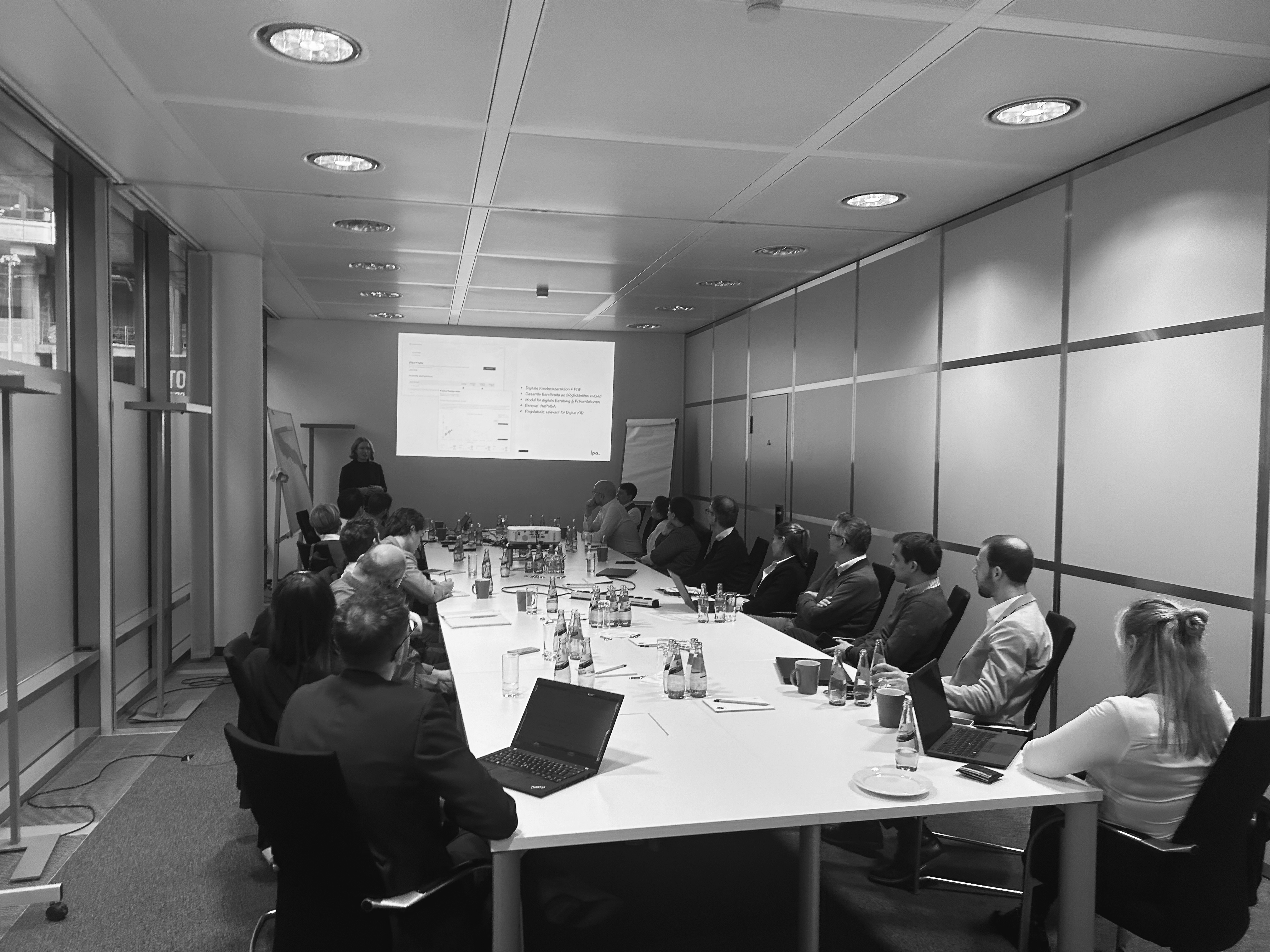
    Over the last few years, LPA has successfully onboarded and maintained installations for all sizes and types of financial institutions in Europe (Germany, Spain, UK, Switzerland, Italy, etc.). With over 350 experts, the Capmatix SP User Group is a key resource for both new and experienced clients to connect with one another, offer suggestions on best practices, and ask questions about using LPA software solutions.
    We at LPA are thrilled that our customers actively participated in our Capmatix SP session on 14th of March 2024! If you have not yet attended our User Group Meeting, we invite you to do so. You can request to join by contacting your dedicated Account Manager, or by contacting us (see contacts at the end of this report). You can also email us at hello@l-p-a.com.

    Capmatix SP Roadmap explained to our clients

    During the event, Patrick Reum, our Capmatix SP Product Manager, provided an overview of the Capmatix SP product development trajectory and new modules. Emphasis was placed on transparency, with Patrick clearly outlining Capmatix SP strengths and areas for improvement, which garnered significant interest from participants. Key takeaways included a focus on product development, with new versions scheduled for release every six months, and improved visibility of the roadmap.

    A glance at regulations

    Are you familiar with Retail Investment Strategy (RIS) and European Single Access Point (ESAP)?
    The main goals of RIS are to increase EU citizens’ long-term savings and participation in capital markets. As an “Omnibus Directive”, RIS will leadmto amendments to several directives and regulations, including MiFID II, IDD, PRIIPs, UCITS, AIFMD and Solvency. Please contact our team to learn more about the key upcoming PRIIPs amendments, including digital KIDs, sustainability sections, 4-page KID extensions and more. On the other hand, ESAP tackles the difficulties of accessing relevant information on all regulations. This information remains scattered, not machine readable and for many stakeholders still constitutes a language barrier. Different regulations and directives will be
    included in the initiative through successive phases that we would be more than happy to walk you through.

    A deep dive into KIDCalc Analytics

    KIDCalc Analytics is a new Capmatix SP module that facilitates the calculation of key figures for specific KIDs, allowing for the validation of new products directly through a web UI. Through a simple link on the screen, KIDCalc Analytics can be opened, highlighting key figures with interim results. Further calculations can be initiated with just one click, incorporating historical data for comprehensive analysis. From scenario analysis to cost evaluation, this tool provides insights into various aspects, including Value at Risk (VaR), cash flows, market value, costs, internal rate of return (IRR), and more. Additionally, it offers a sorted distribution of scenario values, enabling users to assess different paths and outcomes.

    A word on market trends

    The financial landscape is witnessing a profound transformation as established market players embark on various initiatives to position themselves within the rapidly expanding realm of digital assets. At the regulatory level, initiatives such as the DLT pilot regime and MiCaR highlight essential gaps in the regulatory framework. These initiatives aim to address the evolving needs of the market and provide a solid foundation for future development. Other initiatives may include the CBDC project from the European Central Bank, the DZ Bank pilot phase on Bitcoin Trading, the issuance of tokenized fund shares on SWIAT blockchain by Deka Investment, and more. We can imagine that with DLT integration, securities’ value chain can be streamlined, for example looking at the D7 – digital issuing platform – and Capmatix SP partnership.

    Conclusion

    The Capmatix SP User Group meeting provides a great opportunity for dialogue, collaboration, and knowledge sharing among industry peers. Feedback from participants, including representatives from Landesbank Baden-Württemberg (LBBW) and DekaBank, underscored the value of transparency and communication. We invite you to join us for future sessions as we continue to explore emerging trends, address challenges, and drive innovation in the financial sector.

  • LPA at SRP Europe 2024

    LPA at SRP Europe 2024

    The LPA team was thrilled to once again participate in the annual SRP Europe conference held in London. This event brings together leading renowned institutions from the European structured product industry, and this year, LPA not only attended but also proudly supported the SRP event as a Bronze sponsor.

    Led by Stefan Lucht, co-CEO, the LPA delegation included Susan Niederhöfer, Global Head of Sales, Ayal Leibowitz, Head of Regulation, Santiago Calderón, Managing Director Southics, Sahak Artazyan, Head of Sales at Capmatix SP, Sarah Grimmelbein, Senior Sales Strategic Accounts, Ravit Levanon, Managing Director Israel, and Charles Kim-Régnier, Senior Sales Manager. The event was a great opportunity for meaningful discussions on the latest market trends and technological innovations in the industry with both existing and potential clients.

    The highlight of the conference was Susan Niederhöfer’s participation as a speaker in a panel discussion focusing on the pivotal role of technology in shaping the structured products market. She noted the significance of IT in enabling scalability and enhancing connectivity, emphasizing the potential transformative impact of innovations like AI on data utilization and customer information management.

    As the structured products industry continues to transform, events such as SRP Europe provide a valuable platform for networking and knowledge sharing. With a commitment to innovation and customer- centric solutions, LPA is always at the forefront of this dynamic landscape, and we cannot wait to come back next year to the SRP Europe event!

  • Erfahren Sie das Neueste zu strukturierten Produkten

    Erfahren Sie das Neueste zu strukturierten Produkten


    Die zweite Ausgabe des LPA-Reports befasst sich mit disruptiven Trends, regulatorischen Änderungen und technologischen Innovationen, die die Branche der strukturierten Produkte verändern:

    Von der Teilnahme und dem Sponsoring der SRP Europe bis hin zur Organisation des Capmatix Structured Products User Group Meetings haben wir uns aktiv an den Diskussionen mit unseren geschätzten Kunden und Branchenexperten beteiligt.
    Innovation ist der Kern von allem, was wir bei LPA tun! Wir stellen Capmatix TranslAIte vor, unser bahnbrechendes KI-gestütztes Übersetzungstool, das die Effizienz und die Einhaltung von Vorschriften verbessern soll.
    Außerdem berichten wir über wichtige regulatorische Neuerungen wie PRIIPs Act in Norwegen und EU Accessibility Act, um sicherzustellen, dass Sie mit der sich wandelnden regulatorischen Landschaft Schritt halten.

    Bleiben Sie mit LPA am Ball, navigieren Sie nahtlos durch regulatorische Veränderungen und treiben Sie Innovationen bei strukturierten Produkten voran.

  • Discover the Art of Generative AI

    Discover the Art of Generative AI

    The Current Challenges of Prompting

    In an era where the boundaries of technology are constantly being redefined, generative AI stands at the forefront, indicating a new age of innovation and creativity. It was with great anticipation and excitement that LPA hosted its first-ever AI webinar, a deep dive into the growing world of generative artificial intelligence. This session was designed not just to explore the vast landscape of AI but to navigate the complex nuances that make it a challenge for enthusiasts and professionals alike.

    The highlight of our webinar was an in-depth discussion on the art and science of prompt engineering — a critical skill for anyone looking to exploit the full potential of generative AI. Prompting, the act of crafting inputs to elicit desired outputs from AI models, is much more than mere wordplay. It’s about understanding the complicated mechanics of AI algorithms and leveraging this knowledge to shape the future of technology, design, and beyond.

    Through a series of expert-led presentations and engaging discussions, we have shown what it means to “prompt right.” From the technical aspects to strategies that can unlock the maximum of potential, our speakers shared their insights on navigating the challenges that come with this new territory. The main part of the webinar dedicated to prompt engineering offered attendees a comprehensive look into the strategies and nuances of interacting with AI in a way that maximizes output quality and relevance.

    For those who could not join us live or wish to revisit the wealth of knowledge shared, we are excited to offer you the opportunity to replay the recording of the event. Now, you can take a look at the webinar down below. Whether you’re a seasoned professional or an enthusiastic beginner, there’s something for everyone in this exploration of the next frontier in technology.

  • A Beginner’s Guide to Crypto and Blockchain in Structured Products

    A Beginner’s Guide to Crypto and Blockchain in Structured Products

    In the dynamic landscape of financial markets, the transformative influence of digital assets and blockchain technology is challenging traditional norms. Despite the risks and volatility associated with cryptocurrencies, the potential for disrupting financial markets remains undeniable. The integration of cryptocurrencies has opened the opportunity for major developments in all kinds of investment products. Structured products, which were previously limited to traditional wealth management, have now found a new home in the decentralized financial space. To strategically position themselves for the future, issuers and distributors of structured products must actively build their expertise and infra- structure in the area of digital assets.

    Role of Distributed Ledger Technology in Financial Revolution

    At the core of this financial revolution lies Distributed Ledger Technology (DLT) with its two most prominent applications: blockchain and cryptocurrencies. Blockchain technology, in particular, holds the promise of revolutionizing various financial functions by offering advantages such as enhanced transparency, seamless reconciliation, security, and operational efficiency. Processes like trade execution, monitoring, settlement, and clearing would benefit from implementing blockchain through the implementation of smart contracts. This not only accelerates transaction speed but also significantly reduced operational costs by decreasing the need for intermediaries. This evolution also democratizes access, inviting a more diverse range of participants into trading.

    However, the technology is being developed and implemented at a very slow pace due to its significant challenges. These include regulatory uncertainties, vulnerabilities in smart contracts, cybersecurity threats, and a lack of standardized market practices. Given the increasing instances of hacking exploits, the instability of cryptocurrencies, an underdeveloped regulatory landscape, entrenched legacy systems in banks, and long maturing periods for certain financial products, there is a likelihood that Decentralized Finance (DeFi) will not disrupt but transition towards Traditional Finance (TradFi). This suggests a forthcoming coexistence of structured products issued in both traditional and blockchain formats.

    Decentralized Finance (DeFi) Options: A Paradigm Shift in Trading

    Unlike traditional exchanges, Decentralized Finance (DeFi) operates without restrictions for retail users trading cryptocurrency futures. This creates a unique space for innovative investment strategies that were previously unavailable on centralized platforms. DeFi options (DOVs) represent the first steps into the world of cryp- to-structured products within DeFi.

    One of the key differentiators of DeFi options is their operation without intermediaries. Traditional options trading often involves multiple intermediaries, such as brokers and clearing- houses. In contrast, DeFi options leverage smart contracts, cutting out the middlemen and allow- ing for direct peer-to-peer transactions. This not only streamlines the trading process but also enhances transparency by removing potential points of manipulation.

    Additionally, DeFi options redefine the concept of market hours by operating 24/7. Unlike traditional markets that follow specific time zones and trading hours, DeFi options leverage algorithmically updated prices, ensuring continuous trading opportunities. Moreover, the decentralized nature of these options often eliminates the need for a Know Your Customer (KYC) process, making them accessible globally to anyone with a crypto wallet. This democratization of access opens the world of options trading to a broader and more diverse range of participants. Another feature of DeFi options is their resemblance to American options in traditional finance. These options are exercisable at any time during their lifespan, providing traders with increased flexibility. This contrasts with European options, which can only be exercised at expiration. The ability to exercise options at any point adds an extra layer of strategic decision-making for traders in the DeFi space.

    The advent of DeFi options marks a significant step towards a more transparent, accessible, and flexible financial ecosystem. Operating without intermediaries, available around the clock, and with a unique exercisability feature, these options offer a paradigm shift in the world of trading. As the DeFi space continues to evolve, the allure of decentralized options trading is likely to grow, attracting both seasoned and novice traders looking for a more inclusive and innovative way to engage with financial markets.

    Blockchain and crypto in structured products

    While some banks have begun introducing blockchain technology in structured products, this initiative is still in its nascent stages. For instance, tokenized structured products have emerged as a transformative force, reshaping investment management. Notable instances include the first issuances of structured products by banks in Asia with the support of global institutions such as UBS. In Europe, traditional banks like SG and digital platforms like Taurus actively develop their infrastructure to facilitate the issuance of tokenized financial instruments in the upcoming future.

    For investors seeking exposure to crypto through structured products, several ways already exist. These include crypto structured products linked to cryptocurrencies or crypto indices, as well as actively managed certificates. While the majority of available crypto structured products are leverage products, the market is witnessing an increase in the number of issued yield enhancement and capital protection products. As the DeFi space continues to mature, navigating the world of crypto structured products requires a balance between embracing innovation and recognizing the responsibility associated with the absence of traditional safety nets. Compliance becomes a primary concern as regulatory frameworks are evolving at a slightly slower pace than technologies, creating a challenging environment for those interested into connecting structured products to crypto and blockchain.

    Navigating Regulatory Challenges in DeFi

    European Union has been developing the regulatory landscape for a new tokenised economy already for some time now. In 2024 a new Markets in Crypto-Assets Regulation (MiCAR) will come into force to regulate crypto assets. From March 2023 the DLT Pilot Regime, a regulatory sandbox, is on. Within DLT PR market participants can test DLT-based trading facilities and settlement for issuing, trading, and settling shares, bonds and funds. Currently MiFID II covers structured products linked to cryptocurrencies, but in the future it also should be applied to tokenized structured products. At LPA, we have consistently been at the fore- front of assisting financial institutions in adapt- ing to the ever-changing regulatory landscape. For companies issuing structured products linked to crypto, we play a crucial role in producing the necessary regulatory documents. As the regulation updates comes into effect, we are committed to being pioneers in navigating financial institutions through the evolving regulatory landscape. LPA’s commitment to automating regulatory compliance for banks ensures that we not only meet current needs but also anticipate and address the regulatory demands of the future.

  • European PRIIP Regulation Set for Major Overhaul: A Glimpse into the Proposed Changes

    European PRIIP Regulation Set for Major Overhaul: A Glimpse into the Proposed Changes

    State of Play as of November 2023

    Significant changes are currently under discussion by the National Competent Authorities (NCAs) with regards to PRIIPs. These amendments are a part of the Retail Investment Strategy (RIS), which is designed to enhance the long-term savings of European Union citizens and their engagement in capital markets. The RIS is characterized as an “omnibus directive”, which means it is not a standalone directive but instead amends several other directives, including MiFID II, IDD, UCITS, AIFMD, Solvency II, and PRIIPs.

    The discussions are primarily centered on Level 1, while the nomination of the European Supervisory Authorities (ESAs) is in progress for the drafting of Level 2 Regulatory Technical Specifications (RTS) once the Level 1 amendments have been agreed upon and approved. As a result, the implementation of these amendments is expected to be at least two years away, with the exception of a few Level 1 changes highlighted below. These do not require Level 2 text and are expected to enter into force immediately after the entry of Level 1 into the Official Journal.

    In this article, we will delve into the main draft amendments. While the ones outlined below are not an exhaustive list, we believe they represent the most significant changes. Minor wording corrections have been omitted from our discussion.

    Digital KID

    To bring the PRIIP KID up to date with contemporary needs, the adoption of an electronic format is recommended. This format is defined as any durable medium other than paper. The digital KID is proposed to be the default version provided to investors, while the distributor should inform the retail investor of the option to request a paper KID free of charge. In other words, manufacturers will retain the obligation to produce KIDs in the traditional paper document format, in addition to generating the electronic format.

    Layered Format

    The digital KID is suggested to adopt a “layered” format. This entails presenting high-level information as the initial step and allowing investors to gradually explore further information based on their interests.

    The concept of a layered format has previously been introduced by EIOPA in the Pan European Pension Product (PEPP). For additional details on this concept, please visit EIOPA’s website: EIOPA PEPP. To provide a more concrete understanding, you can also examine an illustrative PEPP KID mockup created by BETTER FINANCE, which includes elements such as (1) a dashboard, (2) high-level topics that can be expanded, (3) brief term definitions, and (4) featured warnings and disclaimers: PEPP KID Mockup.

    Accessibility Features

    In alignment with the European Accessibility Act, it is anticipated that the digital KID will need to incorporate accessibility features to facilitate reading for individuals with disabilities. For more information about the European Accessibility Act, please refer to: European Accessibility Act.

    Additional Requirements

    The draft amendments also set two additional requirements for the digital KID:

    1. Allow change of holding periods
    2. Allow comparison between PRIIPs

    While there is limited detailed information available on these requirements, it is explained that allowing the change of holding periods could prove valuable in simulating costs for different time horizons.

    It is crucial to emphasize that, under the current PRIIPs cost calculation methodology, there are significant challenges associated with implementing this requirement. Costs for holding periods longer than one year are currently based on the Moderate Scenario. However, like most scenarios, the Moderate Scenario can vary depending on the holding period. As a result, the following issues are identified:

    1. Misleading cost change:
    The primary aim of illustrating costs for different holding periods is to assess the actual costs that would be incurred due to their nature, whether they are charged as one-off fees, upon entry or exit, or on an ongoing basis. However, part of the cost change resulting from selecting a different holding period may stem from a different Moderate Scenario rather than changes in the cost logic or timing. Explaining this to retail investors could prove challenging.

    2. Technical challenge:
    To accommodate an ad-hoc change of the holding period for cost calculations exceeding one year, manufacturers would need to either (1) calculate the Moderate Scenario for all possible holding periods in advance, which could lead to longer processing times than the already lengthy process in place today, or (2) allow for ad-hoc calculation and the generation of KIDs, which presents a technical challenge.

    Maintaining Comparability vs. Enhancing Comprehensibility

    One of the fundamental principles of the existing PRIIP KID framework is comparability. This principle aims to enable investors to make comparisons of risk, performance scenarios, and costs among different PRIIPs. Consequently, content that is specific to particular assets, i.e. applicable only to a subset of PRIIPs, has been excluded from the PRIIP KID.

    An illustrative example of such content is the past performance data for funds. While this information is included in UCITS KIIDs and has proven highly beneficial to investors, it did not become an integral part of the PRIIP KID due to the emphasis on comparability. Instead, manufacturers are mandated to create a separate webpage or document for presenting past performance information and include a link within the “Other Relevant Information” section of the PRIIP KID.

    One of the draft amendments suggests shifting the balance towards comprehensibility over strict comparability. In other words, it is proposed to allow the inclusion of asset-specific content if it contributes to investors’ understanding. This change would permit the inclusion of past performance data for funds within the PRIIP KID, along with other asset-specific content.

    New Section “How environmentally sustainable is this product?”

    Another proposed amendment suggests a shift in the presentation of the product’s environmental sustainability in the PRIIP KID. Rather than including it in the “What is this product?” section, there should be a dedicated segment specifically outlining the environmental sustainability aspects of the PRIIP. While the precise location is not explicitly specified, from the location of this amendment within the directive, it appears that this section could follow the RHP section (“How long should I hold it, and can I take my money out early?”) and precede the “How can I complain?” section within the KID.

    Currently, it seems this sustainability section will be required for products aligned with SFDR Article 8 and Article 9. It should include the product’s minimum proportion of environmentally sustainable investments, its expected GHG emission intensity and a link to the product’s pre-contractual SFDR disclosure. The content of this section is expected to be further developed by the European Supervisory Authorities (ESAs) as part of Level 2 Regulatory Technical Standards (RTS).

    It’s worth mentioning a noteworthy suggestion put forward by Germany’s Sustainable Finance-“Beirat”, proposing the inclusion of an ESG scale ranging from A (indicating the strongest consideration of sustainability preferences) to F (signifying no explicit consideration of sustainability preferences). This suggestion has been tested among both investment advisors and retail investors and has received positive feedback for its simplicity and comparability.

    Incidentally, a previously proposed section called “Product at a Glance” was introduced in an earlier version of the draft amendments. This section was designed to provide a snapshot of the PRIIP, including its type, SRI (Sustainable and Responsible Investment) aspects, total costs, RHP, and insurance benefits (if applicable). However, during discussions, National Competent Authorities (NCAs) argued that this new section included redundant information. Furthermore, it was emphasized that the entire KID serves as a summary document presenting only “key information,” leading to the removal of this particular draft amendment.

    MOPs with Numerous Underlying Investment Options

    This particular draft amendment holds relevance primarily for insurance-based investment products (IBIPs). If you are not dealing with IBIPs, you may proceed to the next draft amendment.

    Most often, these IBIPs are Unit Linked products that offer investors the flexibility to select from a range of underlying investment options, encompassing funds, structured products, and various other investment choices. The existing PRIIPs Regulatory Technical Standards (RTS) present two distinct approaches for Multi-Option Products (MOPs) associated with IBIPs:

    Article 10(a): Preparing a Key Information Document (KID) for each combination of the insurance wrapper and underlying investment option.

    Article 10(b): Generating a Generic KID featuring risk and cost ranges at the insurance wrapper level, accompanied by a Specific Information Document (SID) for each underlying investment option, detailing its risk, performance scenarios, and costs. The cost ranges presented in the Generic KID should amalgamate the expenses associated with the insurance wrapper and the underlying investment option.

    In certain cases, MOPs permit investments in a multitude of underlying options, where investors may acquire numerous equity shares, corporate bonds, and government bonds within the insurance wrapper. However, implementing Article 10(a) or Article 10(b) for such PRIIPs presents significant challenges:

    1. Article 10(a): Drafting a KID for each combination of the insurance wrapper and underlying investment option necessitates the manufacturer to calculate Summary Risk Indicator (SRI) and performance scenarios for tens of thousands of underlying investment options. Calculating performance scenarios involves utilizing a 10-year price history, and for any share or bond lacking this requisite price history, the manufacturer must undertake the laborious task of history completion.
    2. Article 10(b): Determining cost impacts, named Reduction in Yield (RIY) in PRIIPs RTS version 1, necessitates to calculation of the Moderate Scenario for holding periods exceeding one year. Similar to Article 10(a), calculating the Moderate Scenario for each underlying investment option entails disproportionate efforts, including compiling a 10-year price history and calculating the Moderate Scenario for tens of thousands of underlying investment options.

    Apart from the technical complexities, the inclusion of numerous underlying investment options results in extensive risk and cost ranges within Generic KIDs, casting doubts on their practicality for investors.

    To address these formidable challenges, a proposed draft amendment suggests allowing Generic KIDs to encompass solely the costs associated with the insurance wrapper, provided that:

    • The manufacturer provides the investors with an interactive tool allowing them to research and compare underlying investment options, including their costs and, where available and comparable, risks and performance;
    • The investors have easy access to the pre-contractual information relating to the underlying investment options;
    • The manufacturer provides investors with comprehensive cost information related to an investment option if requested by an investor.

    Nevertheless, several questions and concerns have been raised by National Competent Authorities (NCAs) regarding the interactive tool, and further deliberation on this draft amendment is anticipated.

    When should the KID be handed to the client?

    One area of concern relates to the timing of KID distribution to clients. During their mystery shopping exercises, the European Supervisory Authorities (ESAs) identified instances where the PRIIP KID was handed over to investors at the conclusion of the sales process, mere minutes before investors subscribed to a new product.

    A proposed draft amendment seeks to provide clarity by stipulating that the PRIIP KID should be furnished by distributors to retail investors concurrently with other marketing materials, such as product brochures, factsheets, and the like.

    In light of this requirement, manufacturers should also consider situations where the indicative terms of a product at the outset of a subscription period may differ from the final terms of the product.

    KID Review and Update

    The existing Regulatory Technical Standards (RTS) employ wording like “where it remains available to retail investors” (RTS Article 15). This phrasing has led to ambiguity in cases where it is unclear whether a KID should be monitored and revised (in the event of a “significant change” or every 12 months). Such cases include:

    1. Closed-end funds: Following the initial launch and capital raising phase, closed-end funds enter a second stage where investments are deployed, and investors await returns. During this phase, if an existing investor wishes to exit and new investors need to be located to purchase the investment, it’s uncertain whether a PRIIP KID is required and whether it qualifies as being “available to retail investors.”
    2. Run-off regular premium products: In the context of regular premium products, if a product is closed to new investors, and new investments are solely made through premium payments from existing investors, it’s unclear whether the product is still considered “available to retail investors.”

    The draft amendments are expected to clarify these scenarios and determine whether KIDs should be monitored and updated in these cases.

    Comprehension Alert

    The draft amendments propose the elimination of the comprehension alert for complex products, citing two key reasons:

    • It has not demonstrated effectiveness in alerting retail investors to the potential risks associated with particularly complex products.
    • It inadvertently dissuades retail investors from considering less complex investment products.

    In the event of approval, this amendment will come into effect immediately upon the publication of Level 1 in the Official Journal, as it does not necessitate a Level 2 specification.

    The National Competent Authorities (NCAs) are currently engaged in discussions regarding this suggestion, with several potential outcomes under consideration. These range from complete removal, partial removal, adjustments to the alert’s narrative, replacement with alternative narratives, to retaining the alert in its current form.

    Exclusions from PRIIPs scope

    Several amendments propose the exclusion of certain products and features from the purview of PRIIPs:

    1. Immediate annuities: An immediate annuity is a financial product that involves a single lump-sum investment, providing ongoing income either for a specified duration or for the investor’s lifetime in return. A draft amendment seeks to clarify that immediate annuities do not fall within the scope of PRIIPs.
    2. Make-whole clause: Many corporate bonds incorporate a “make-whole clause” that allows the bond issuer to prepay the remaining debt early, based on a predefined formula. In a prior supervisory statement issued in October 2019 (available at ESMA – Supervisory Statement), it was clarified that if “the mechanism to calculate the discount rate is known in advance to the retail investor,” this clause would not render the product a PRIIP. Given the debatable legal binding status of a supervisory statement and the inherent ambiguity in the described scenario, the draft amendments suggest that “make-whole clauses are outside the scope of the PRIIPs Regulation, provided they are redeemed at a fair value.”

    These amendments will come into effect immediately upon the publication of Level 1 in the Official Journal, as they do not require Level 2 specifications.

    Extension to 4-Page Limit

    At present, Level 1 regulations impose a constraint on the length of the PRIIP KID, limiting it to three A4 pages. However, with the incorporation of additional content, including the new sustainability section and asset-specific information (e.g., past performance), it becomes apparent that allowing for a longer document is necessary. Therefore, the draft amendments recommend extending the paper version of the PRIIP KID to four A4 pages.

    Summary

    With the new PRIIP Level 1 regulation on the horizon, the winds of change are becoming palpable, and they are undeniably significant. In a move not entirely unexpected, environmental considerations are making their way into PRIIPs, aligning with the growing emphasis on responsible investing.

    Furthermore, the introduction of more digital content and interactive presentations heralds a promising shift, although it necessitates a substantial IT effort to ensure broad accessibility to the digital Key Information Document (KID).

    While we continue to rely on PDFs as a reference point, the state of the update process reveals an interesting dynamic. Some National Competent Authorities (NCAs) have reached consensus on certain updates, while others remain under discussion, leaving room for potential major shifts in the coming years.

    In essence, this journey represents an opportunity to transform the KID into a more modern, useful, and interactive tool, a change that promises to be for the better. However, it’s a challenge that cannot be underestimated, especially given the usually tight deadlines. Rest assured, we are committed to steering through this challenge and diligently monitoring the evolving landscape.

    As we move forward, our commitment to keeping you informed about these transformative developments remains unwavering, and we stand ready to navigate this evolving landscape together.

    231106_PRIIP_StateOfPlayNov23.pdf